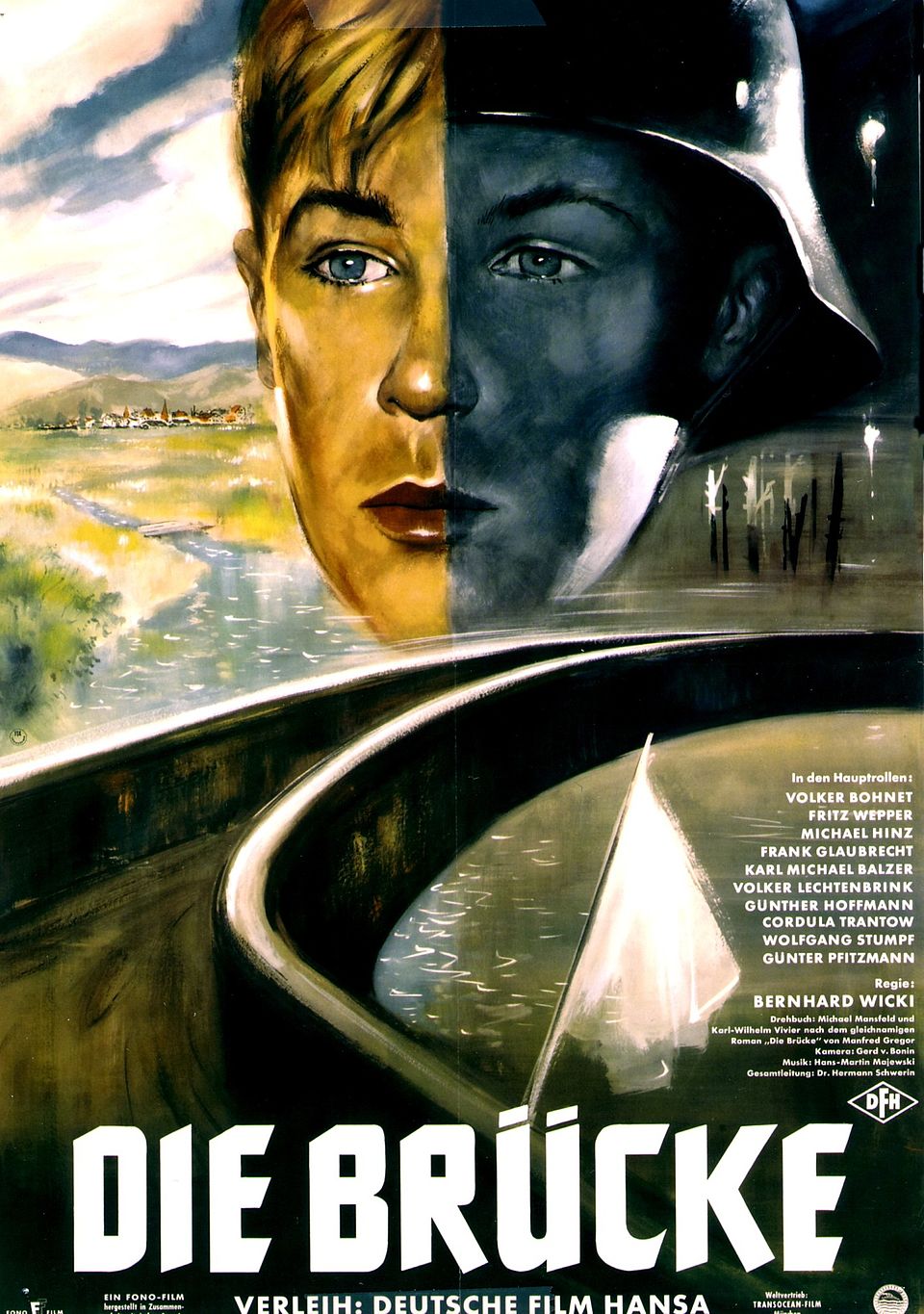
Die Brücke (1959): West Germany's Powerful Anti-War Classic
In the annals of cinematic history, few films capture the devastating human cost of war with the raw intensity and unflinching honesty of
Die Brücke (The Bridge). Released in 1959, this West German masterpiece, directed by Austrian filmmaker Bernhard Wicki, stands as a seminal anti-war statement. More than just a film,
Die Brücke is a harrowing testament to lost innocence and the senseless sacrifice demanded by conflict, especially from its youngest participants. At a time when West Germany was grappling with its recent past and the re-establishment of its armed forces (the Bundeswehr having been created in 1955), this
die brucke film offered a vital, sobering reflection on the nation's wartime experiences. Its enduring power lies in its universal message, resonating far beyond its historical context and solidifying its place as a timeless classic.
The Genesis of a Classic: From True Story to Screen
The profound impact of
Die Brücke is deeply rooted in its authentic origins. The film is an adaptation of Gregor Dorfmeister's 1958 novel of the same name, published under the pseudonym Manfred Gregor. Dorfmeister, a journalist and writer, based his gripping narrative on a personal report from a surviving veteran who, as a youth, endured a similar harrowing situation during World War II. This foundation of lived experience imbues the story with an undeniable realism and emotional weight that fictional narratives often struggle to achieve.
Bernhard Wicki's direction masterfully translated this authenticity to the screen. Wicki, himself a veteran who experienced the war, understood the nuances of the story and the importance of portraying its brutality without sensationalism. His approach was grounded in stark realism, using a visual language that highlighted the grim realities facing these young soldiers. The film's timing was particularly poignant in West Germany. With conscription having recommenced in 1956,
Die Brücke served as a powerful reminder of the sacrifices demanded by military service and provoked crucial conversations about the responsibilities of the state and the nature of war itself. It encouraged a necessary national introspection, directly confronting the trauma of Nazi defeat and the lingering shadows of a dark chapter in German history, offering a rare cinematic perspective from the former West Germany that squarely faced these themes.
A Stark Portrayal: Innocence Lost in the Crucible of War
The narrative of
Die Brücke centers on seven 15-year-old boys living in an unspecified small German town during the final, desperate days of World War II. Initially, their lives are filled with the carefree pursuits of youth – school, play, and budding crushes. Their conscientious teacher attempts to shield them, fostering their intellect and camaraderie as they build a boat together, symbolizing their innocent aspirations. The war, though a constant backdrop of hardship and distant rumbles of bombs, seems far removed from their immediate existence.
This fragile idyll is shattered when the rapidly approaching American front necessitates their urgent call-up. The boys receive their draft notices, initially viewing it as a thrilling adventure, a chance for heroism. Their parents, however, are consumed by dread, trying in vain to understand the futility of it all and attempting to send their sons away to safety. One boy grapples with a painful discovery about his father and the girl he loves, adding a layer of personal tragedy to his departure. Another's father, a local Party leader, is more concerned with his own escape than a proper farewell. These individual struggles underscore the chaotic, morally compromised atmosphere of a collapsing regime.
After hasty, inadequate military training, the boys, bonded as a squad, are assigned to what they believe is a crucial mission: defending a small bridge over a river. This assignment, granted as a special favor for their teacher, quickly reveals its tragic irony. Their superior officers openly question the wisdom of the deployment, as the bridge is strategically insignificant and meant to be blown up by a demolition squad after the retreating German army has crossed. Despite these clear reservations, the boys eagerly embrace their duty, fueled by instilled ideology and a profound sense of youthful heroism, even using their old treehouse as a lookout post.
As the American forces close in, their childish bravado gives way to terrifying reality. What begins as a perceived grand adventure quickly devolves into a desperate, bloody struggle for survival against an overwhelming enemy. Wicki's direction spares no detail in depicting the brutal realities of combat, showing the boys' transformation from wide-eyed idealists to shell-shocked combatants in a matter of hours. The film unflinchingly portrays the devastating toll of war on these young lives, highlighting the moral bankruptcy of sending children to fight for a lost cause. This particular aspect of the story is powerfully explored in our related article,
Youth on The Bridge: A True Story of WWII Sacrifice, which delves deeper into the harrowing true events that inspired the film.
The Enduring Legacy and Relevance of Die Brücke Film
Die Brücke garnered significant international acclaim upon its release, a testament to its powerful message and exceptional filmmaking. It received numerous prestigious awards, including the Golden Globe Award for Best Foreign Language Film and the National Board of Review Award for Best Foreign Language Film. Film critics frequently include it in their top ten lists of anti-war movies, acknowledging its profound impact and timeless relevance. Its stark portrayal of Nazi Germany's final days, as explored in
The Bridge: An Award-Winning Look at Nazi Germany's End, continues to resonate globally.
The film's enduring appeal lies in its exploration of universal themes:
- The Loss of Innocence: It vividly illustrates how war robs children of their youth and forces them into roles they are unprepared for.
- The Futility of War: The tragic, ultimately pointless defense of the bridge symbolizes the broader senselessness of conflict.
- Manipulation and Propaganda: The film subtly critiques how ideological fervor can be instilled in the young, leading to blind fanaticism and self-destruction.
- Moral Responsibility: It raises questions about who is truly accountable when children are sent to fight and die.
Even decades later, this
die brucke film remains profoundly relevant. In a world still grappling with conflicts, propaganda, and the deployment of child soldiers in various regions, its message serves as a chilling reminder of history's lessons. For contemporary audiences, watching
Die Brücke offers more than just historical insight; it provides a powerful ethical framework for understanding the human cost of war. It challenges viewers to consider the consequences of political decisions, the vulnerability of youth, and the importance of resisting narratives that glorify conflict. It's a cinematic experience that stays with you, prompting reflection on peace, empathy, and the urgent need to protect future generations from similar tragedies.
Conclusion
Die Brücke is not merely a historical document; it is a timeless and essential anti-war film that speaks to the deepest human experiences of sacrifice, loss, and the devastating impact of conflict on the innocent. Bernhard Wicki's masterful direction, combined with Gregor Dorfmeister's poignant story rooted in truth, created a film that transcends its specific time and place. Its critical acclaim and enduring presence on lists of the greatest anti-war movies underscore its profound and lasting influence. For anyone seeking to understand the true face of war and the tragic beauty of a generation lost, the 1959
die brucke film is an absolute must-watch, a powerful reminder that the lessons of the past must never be forgotten.